TOOLS
Bloombox Canvas
What
The Bloombox Canvas is a tool to organise the foundations of your project, so that you're able to reach your desired outcomes. It helps teams to relate their goals and targeted outcomes to evidence and implementation.
Why
It can be hard to stay on track when you're dealing with different disciplines and having to integrate both science and design into one effective whole. The Canvas provides a North Star, maps an overview of each required building block for your project to identify key relationships and dependencies to help deliver a more effective tech-for-good.
How
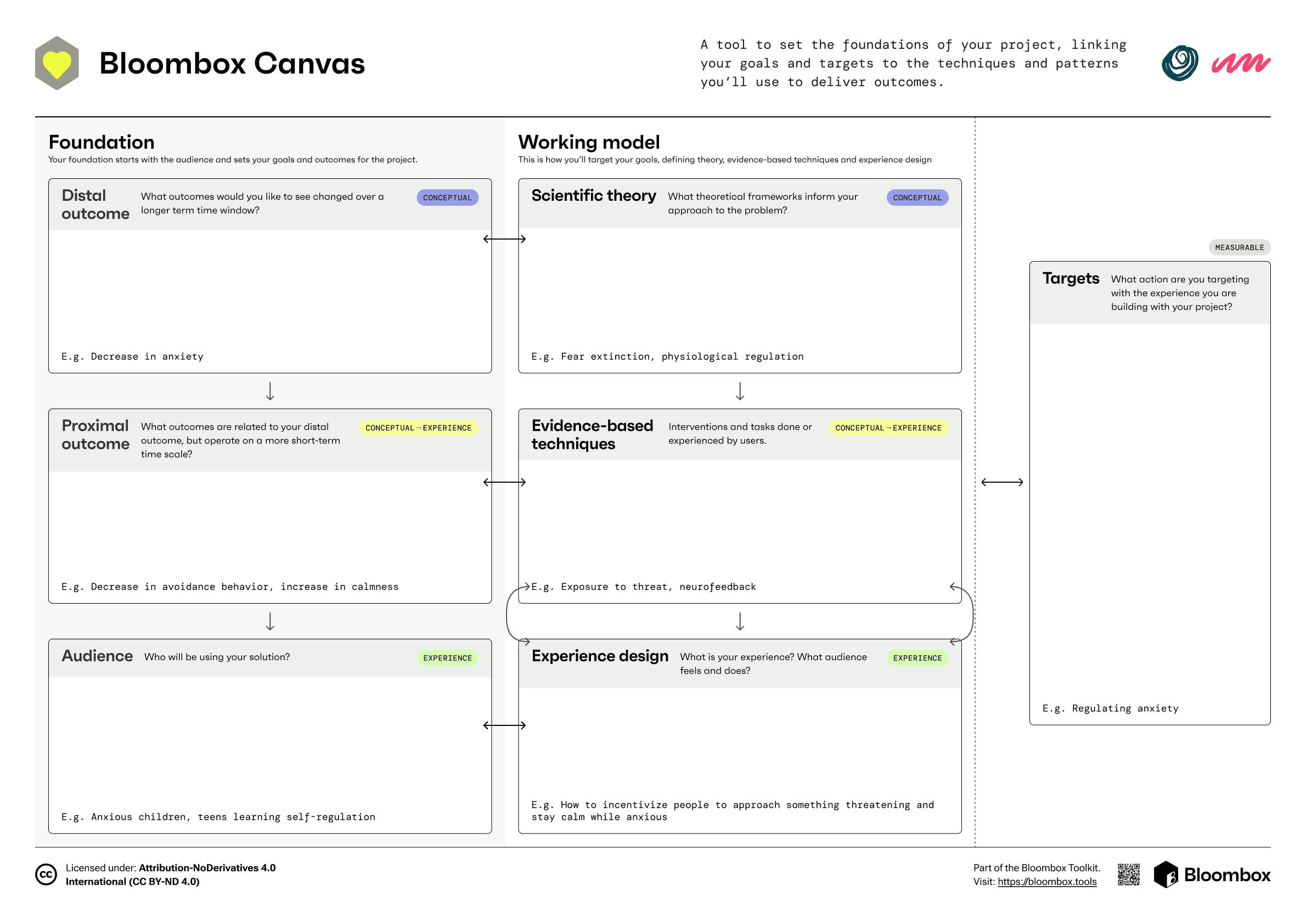
Downloadable canvas
The Canvas can be used on paper.
Miro template
Get Canvas in Miro.
How to use the canvas as a jumping off point
Audience
The target audience is often one of the few things that a team has defined at the start of a project. Regardless, defining and understanding your audience is always a good place to start. Below we provide an array of tools to help your team map the target audience.

Interviews
Time to get to know your user. We believe the richest data stems from interviews and focus groups.

Surveys
Short on time? User surveys are a quick and easy way to gather information about your users.
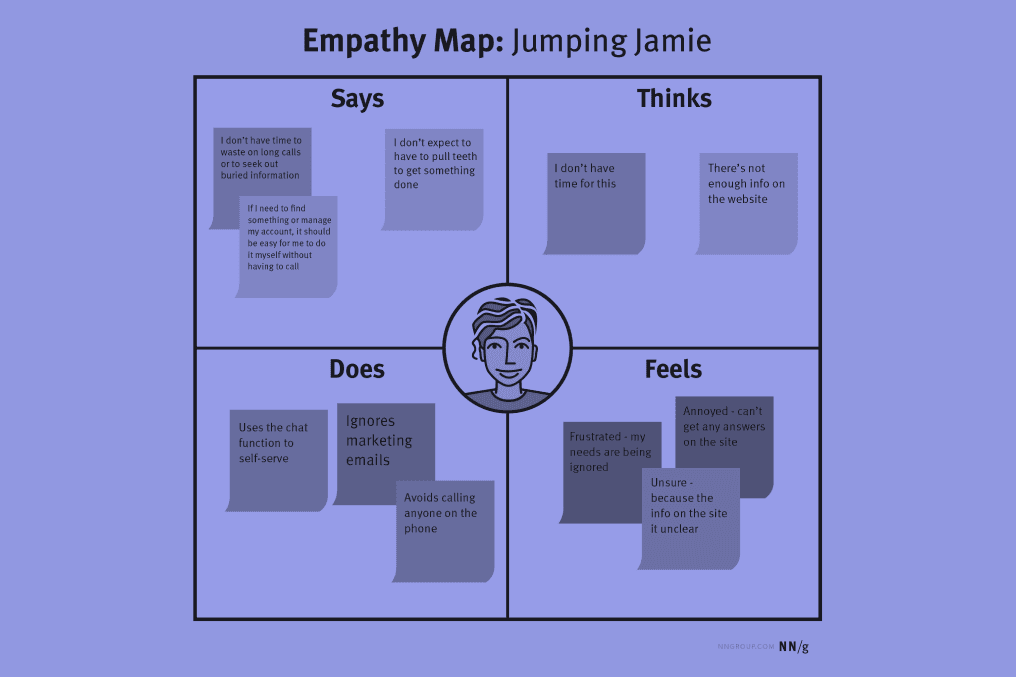
Empathy map
Once you have a sense of your user, you can create a collaborative visualisation to articulate what you know about what they think, say, do, and feel.

User Personas
Create user archetypes based on your knowledge of the different potential types of your target user.
Proximal outcome
Define the most immediate consequence that you’d like to occur as a direct outcome of users’ experiences with your product, game, or service. This is your expected short-term result or effect.
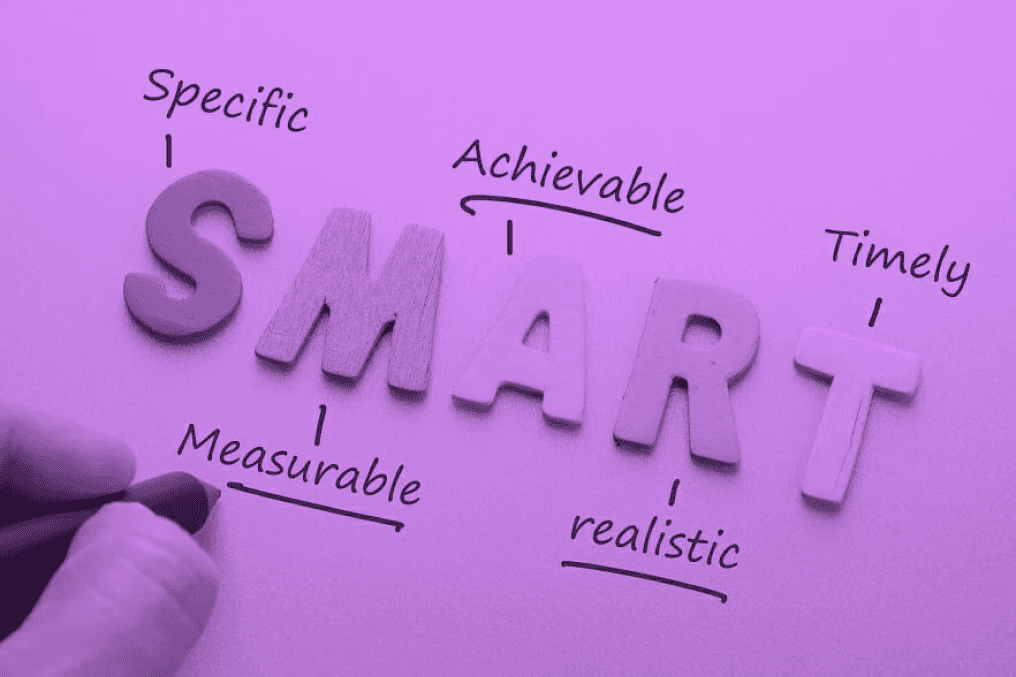
SMART Criteria
Defining these parameters as they pertain to your goal helps ensure that your objectives are attainable within a certain time frame.

Concept mapping
Create concept maps to organise your outcomes, and distill them to 2-3 to keep your project streamlined and achievable.
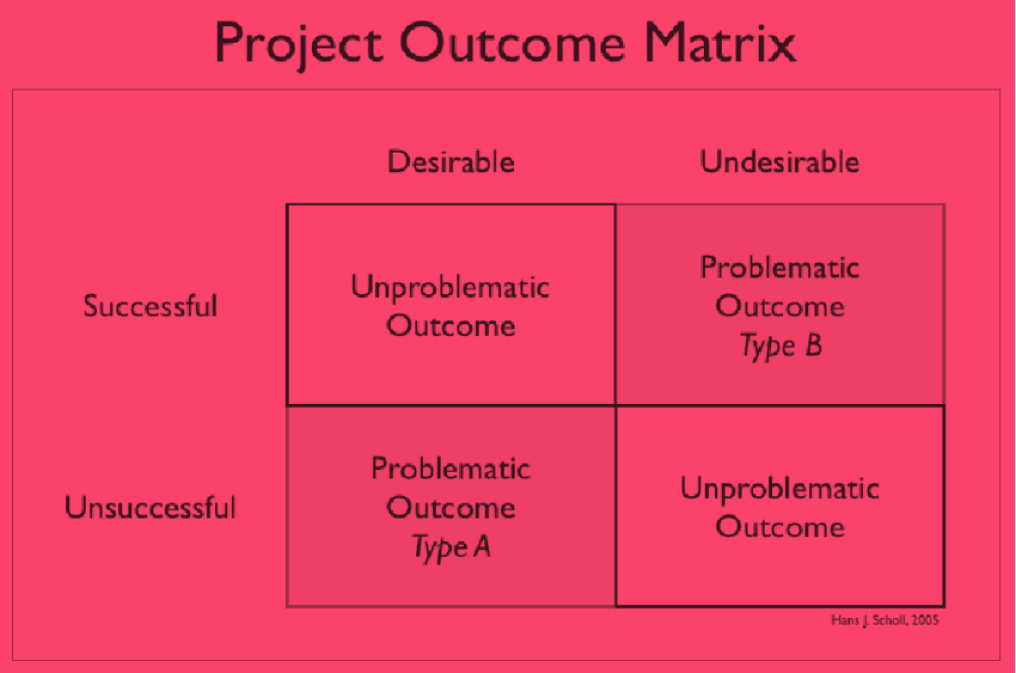
Outcome matrices
While we're often focused on desirable outcomes, it's also important to consider what might be some undesirable outcomes to intentionally prevent them.
Distal Outcomes
Short-term results are all fine and dandy, but chances are you want to make a lasting impact. Distal outcomes are all about the long-term improvement you’d like to achieve with your product, game, or service. Long-term outcomes are important to determine so you can design for them appropriately.
Examples of distal, or long-term, outcomes could include flourishing, sense of purpose, depression, anxiety, and so on.

Stakeholder analysis
Broaden your horizon by considering how—perhaps unexpected—people will be impacted by (or can impact) your project.
Target
What behaviour are you targeting with the experience you are building? What would you like people to do while using your product, game, or service? The resources below can help you think about which user behaviours need to be targeted to achieve your chosen outcomes.
Targets can also be thought of as the change in behaviour that you are measuring as a result of using your product, game, or service
Psychological mechanisms
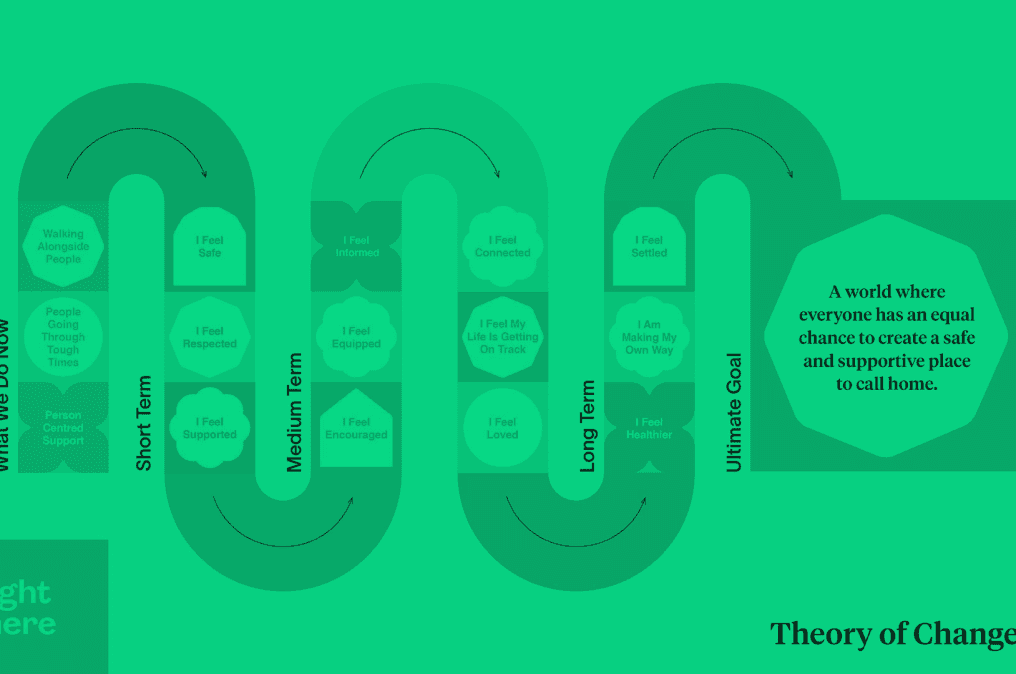
Think of the behaviourial, social or emotional processes that may play a role in your target behaviour. This is where scientific literature is your friend, so this is the time to get to know it well.

Evidence-based techniques
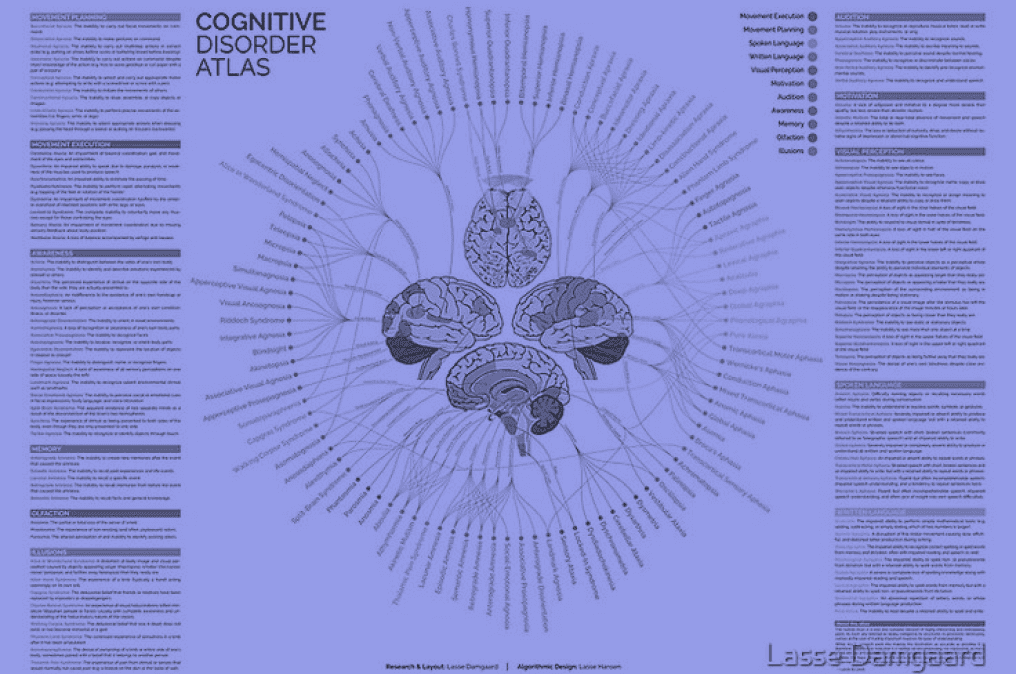
When you get to this point in the Canvas, you will likely know which behaviours you need to target, and which emotional, psychological or social processes play a part in those. Time to find out which evidence-based techniques exist that can impact your chosen processes appropriately.
If you don't know where to start, diving into the scientific literature is once again the way to go. Below you will find some examples of techniques that have a solid evidence-base to back them up.


Cognitive reappraisal
A widely utilized emotion regulation strategy that involves altering the personal meaning of an emotional event to change one's attitude and emotional response.

Expressive writing
A deeply personal writing exercise aimed at stimulating reflection and self-awareness.
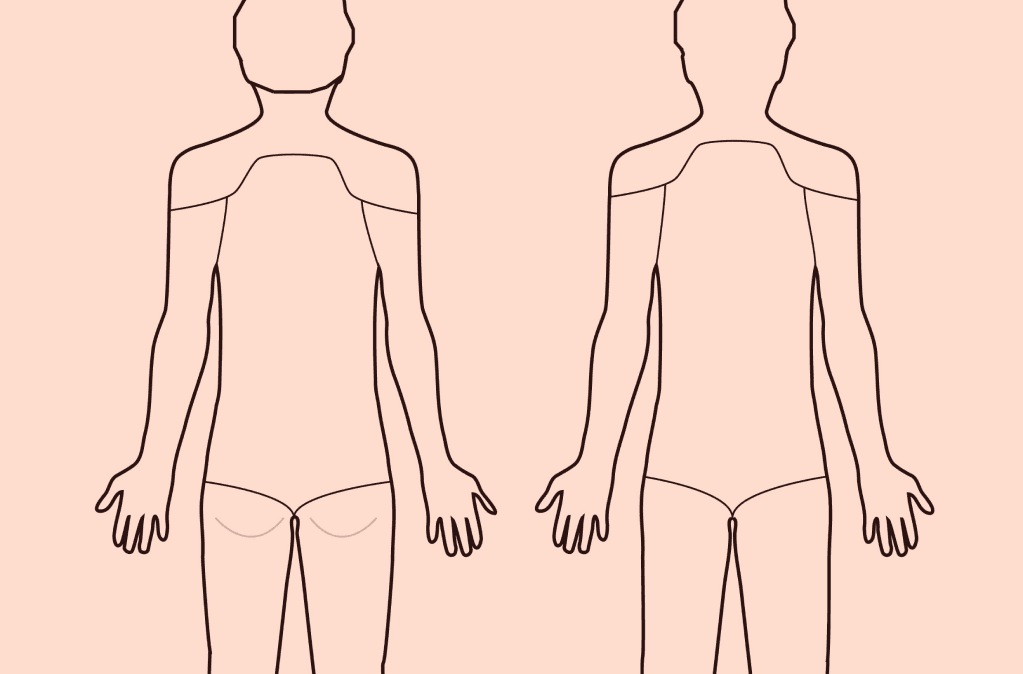
Body mapping
Arts-based experience to help people visualise processes, feelings, and experiences in their body.
Design mechanics
One of the things that will make your product, game, or service successful is the iterative and design-focused process you will go through to turn your evidence-based techniques into an egaging component of your project. Time to match up each technique with its appropriate design pattern.

Mediated communication
Change the way in which your users interact with each other.

Alterations to field of vision
Adapt what your user gets to see when they are using your product or game.

Biofeedback
Use your user's physiological signals (like heart rate) as input for designed elements.

Quests
A great way to motivate your users to engage in certain behaviours.